

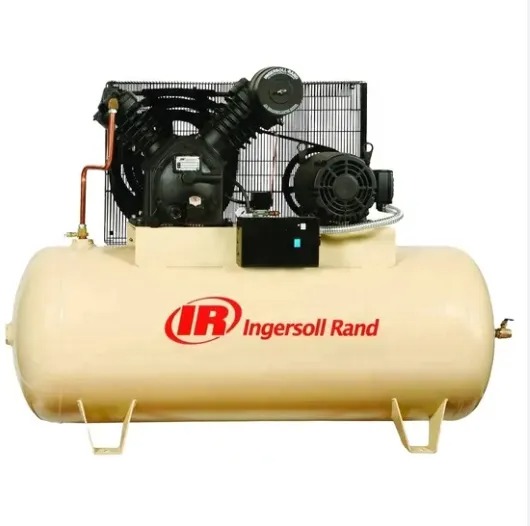
In the modern industrial landscape, the reciprocating air compressor remains a cornerstone of pneumatic power. Renowned for its ability to deliver high pressure in a relatively compact footprint, this mechanical workhorse is found in everything from small automotive workshops to massive manufacturing plants. However, like any precision mechanical system, a reciprocating air compressor is subject to wear and tear that can lead to operational inefficiencies or total system failure. Understanding the common pitfalls and maintenance requirements is not just a matter of convenience; it is a critical strategy for minimizing downtime and maximizing the return on your capital investment. At Biaofang, we have dedicated years to mastering the nuances of these machines, ensuring our clients receive not just products, but comprehensive operational excellence.
This guide is designed to provide a professional-grade analysis of the most frequent challenges encountered by operators. By diagnosing issues early—whether they involve thermal management, mechanical vibration, or pneumatic leaks—you can extend the lifespan of your equipment significantly. As a leading provider of high-end industrial solutions, Biaofang integrates world-class technology with practical field experience to help you navigate these complexities. We will explore the root causes of performance degradation and provide strategic solutions that align with the highest industry standards for safety and efficiency.
1. Thermal Management and Overheating Issues
Overheating is perhaps the most common symptom of a distressed reciprocating air compressor. When the internal temperatures exceed the manufacturer’s specified limits, the lubricant loses its viscosity, leading to increased friction between the piston rings and the cylinder walls. This can eventually result in a "seized" pump, which is often a catastrophic failure. The primary causes of overheating include inadequate ventilation, clogged cooling fins, or a malfunctioning intercooler. In many industrial environments, dust and debris accumulate quickly; if the cooling surfaces are coated in grime, they cannot dissipate heat effectively.
To solve these thermal challenges, a multi-tiered approach is required. First, ensure the compressor is installed in a well-ventilated area with at least 50cm of clearance from any walls or obstructions. Regularly cleaning the cooling fins with compressed air or a soft brush can prevent the "blanketing" effect that traps heat. Furthermore, checking the oil level and quality is paramount. Old or contaminated oil fails to absorb heat efficiently. By implementing a proactive maintenance schedule—a service Biaofang excels in providing—you can ensure your system runs cool even under heavy load cycles.
2. Mechanical Instability: Excessive Noise and Vibration
While a certain level of noise is expected, a sudden increase in decibels or a change in the vibration pattern of your reciprocating air compressor is a red flag. Vibration issues usually stem from mechanical looseness. This could be as simple as a loose pulley or as complex as a worn crankshaft bearing. If left unaddressed, these vibrations can cause cracks in the discharge piping or lead to the failure of sensitive electrical components mounted on the frame.
Professional troubleshooting starts with a physical inspection of the mounting bolts and vibration isolators. Over time, rubber isolators can harden and crack, losing their dampening properties. Additionally, check the flywheel and belt alignment; a misaligned belt causes uneven lateral forces on the crankshaft, leading to rhythmic thumping. At Biaofang, we recommend using precision alignment tools during installation to prevent these issues from the outset. If the noise is internal, such as a metallic knocking, it likely indicates worn connecting rod bearings or piston pin wear, requiring a professional rebuild to restore structural integrity.
3. Pressure Inefficiency and Air Leaks
If your system is taking longer than usual to reach the "cut-out" pressure, you are likely dealing with pneumatic inefficiency. In a reciprocating air compressor, this is usually caused by worn intake or discharge valves. These valves open and close thousands of times per hour; if they become carbonized or pitted, they fail to create a perfect seal, allowing compressed air to bleed back into the cylinder or intake manifold. This forces the motor to run longer, consuming more energy and increasing operational costs.
Locating leaks is the first step toward a solution. Using an ultrasonic leak detector or the traditional soapy water test on gaskets, fittings, and the pressure switch can reveal hidden escape points. However, if the leak is internal, the valve plates must be inspected and replaced. Upgrading to high-quality stainless steel valves can reduce the frequency of these failures. Biaofang provides a comprehensive range of replacement parts that meet or exceed original equipment specifications, ensuring that your air delivery remains consistent and cost-effective.
4. Management of Oil Carryover
Oil carryover—where lubricating oil enters the compressed air lines—can be devastating for applications like spray painting, food processing, or precision instrumentation. This problem in a reciprocating air compressor is often the result of worn piston rings. As the rings wear down, they allow "blow-by," where oil from the crankcase is pushed past the piston into the compression chamber. Other causes include using the wrong grade of oil or an overfilled crankcase.
The solution begins with ensuring you are using the correct lubricant for your specific operating environment. High-ambient temperatures require oil with different thermal stability than colder climates. If the carryover persists, the piston rings and cylinder walls must be inspected for scoring or "glazing." Honing the cylinders and installing new rings can restore the seal. Additionally, installing high-efficiency oil coalescing filters at the discharge point can provide an extra layer of protection, ensuring the air quality meets ISO standards.
Why Choose Biaofang for Your Compressed Air Needs?
Biaofang has established itself as a premier provider of industrial air solutions, specializing in the distribution and service of world-class brands. Our expertise is not limited to just one technology; we offer a robust portfolio including the centrifugal air compressor for large-scale demands and various rotary screw options. However, our commitment to the reciprocating air compressor remains steadfast, as it continues to be a vital tool for numerous industrial sectors.
Our partnership with industry giants allows us to provide the Ingersoll Rand reciprocating air compressor, a machine known for its legendary durability and engineering excellence. At Biaofang, we don't just sell hardware; we provide a partnership. Our advantages include:
- Expert Technical Support: Our engineers possess deep knowledge of thermodynamic cycles and mechanical maintenance.
- Genuine Parts Availability: We maintain a vast inventory of sensors, valves, and lubricants to ensure minimal downtime.
- Customized Solutions: Whether you need high-pressure oil-free air or heavy-duty flooded systems, we tailor the equipment to your workflow.
Learn more About Biaofang and our dedication to industrial innovation.
Frequently Asked Questions
Q1: Why is my reciprocating air compressor vibrating excessively?
Excessive vibration is often caused by loose mounting bolts, worn-out vibration pads, or an unbalanced flywheel. Regular inspections of the structural components and belt alignment can typically resolve these issues before they cause mechanical failure.
Q2: How often should I change the oil in a reciprocating air compressor?
Standard industrial guidelines suggest changing the oil every 500 to 1,000 hours of operation, depending on the environment. Using high-quality synthetic lubricants, like those provided by Biaofang, can extend these intervals while providing better protection.
Q3: What causes a reciprocating air compressor to blow fuses or trip breakers?
This electrical issue usually stems from a faulty start capacitor, a malfunctioning pressure switch unloader valve, or an overworked motor. If the unloader valve fails to release head pressure, the motor must start against a full load, causing a current spike.
Q4: Can a reciprocating air compressor operate 24/7?
Most reciprocating models are designed for a 60-75% duty cycle to allow for cooling. For continuous 24/7 operation, you might consider a rotary screw or a heavy-duty multi-stage reciprocating unit specifically rated for continuous service.
Q5: How can I reduce moisture in my reciprocating air compressor tank?
Moisture is a natural byproduct of compression. Draining the tank daily (either manually or via an automatic drain valve) and installing a refrigerated air dryer are the most effective ways to ensure dry air delivery.
Optimize Your Air System Today
Don't let mechanical issues slow down your production. Whether you need a new system or expert maintenance for your existing equipment, Biaofang is here to help.