

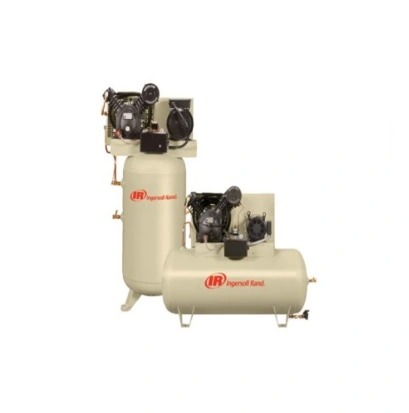
A comprehensive guide to understanding the versatility, efficiency, and strategic integration of piston-driven air technology in modern SME environments.
Introduction to Compressed Air in the SME Sector
In the landscape of modern industrial production, compressed air is often referred to as the fourth utility, standing alongside electricity, water, and gas. For small and medium enterprises (SMEs), selecting the right delivery system for this utility is a critical decision that impacts operational costs, maintenance overheads, and production quality. Among the various technologies available, the reciprocating air compressor remains a cornerstone for thousands of workshops and factories worldwide. This technology, characterized by its piston-driven mechanism, offers a unique blend of high-pressure capability and cost-effectiveness that perfectly aligns with the intermittent air demands typical of smaller operations.
The reason for the enduring popularity of the reciprocating air compressor lies in its simple yet robust design. Unlike rotary screw systems that are built for continuous, 24/7 operation, reciprocating units excel in environments where tools are used sporadically. Whether it is a small automotive repair shop or a specialized woodworking studio, the ability to generate high pressure in a compact footprint makes these machines indispensable. Companies like Biaofang have spent years refining the distribution and support of these systems, ensuring that SMEs have access to industrial-grade performance without the prohibitive entry costs of larger centrifugal or complex screw systems.
As we delve deeper into this guide, we will explore why this specific compressor type is favored by experts. We will analyze the mechanical advantages, cost structures, and specific industry applications that make the reciprocating air compressor the ideal choice for businesses looking to scale their production while maintaining strict budget control. Understanding these nuances is the first step toward optimizing your facility for long-term success.
The Mechanical Excellence of Reciprocating Technology
To appreciate the value of a reciprocating air compressor, one must understand its internal mechanics. Often called a piston compressor, it operates on the principle of displacement. A crankshaft drives a piston within a cylinder, creating a vacuum that draws air in through an intake valve. As the piston moves back up, it compresses the air and forces it through a discharge valve into a storage tank. This cyclical process is highly efficient for creating high-pressure air pockets. Because the compression happens in stages (single-stage or two-stage), these machines can reach pressure levels that are often required for heavy-duty pneumatic tools used in metal fabrication and heavy machinery maintenance.
A key benefit of this mechanical design is the ease of cooling and lubrication. In many industrial models, the cylinder fins are designed to dissipate heat rapidly during the compression cycle. For SMEs, this means the machine can handle intense bursts of work without the need for complex cooling towers or expensive liquid-cooled infrastructures. Furthermore, the modular nature of the reciprocating air compressor allows for easier maintenance. Most components, such as valves, rings, and gaskets, are easily accessible, which reduces the downtime associated with routine servicing. This is a vital consideration for smaller teams that may not have a dedicated on-site maintenance engineer.
When discussing efficiency, it is important to note that reciprocating compressors are "start-stop" machines. They are designed to fill a tank and then shut down until the pressure drops below a certain threshold. This is significantly more energy-efficient for a workshop that only uses air tools for 20 minutes out of every hour. By not running the motor continuously, the business saves on electricity and reduces the wear and tear on the internal components. Biaofang specializes in identifying the correct sizing for these units to ensure that the motor is never over-stressed, providing a balance between energy consumption and air availability.
Automotive Repair and Small-Scale Manufacturing Applications
The automotive sector is perhaps the most visible user of the reciprocating air compressor. From local tire shops to comprehensive collision repair centers, these units provide the force behind impact wrenches, pneumatic lifts, and spray-painting booths. In a typical garage, air usage is highly variable. A mechanic might use a high-torque tool for a few seconds to loosen a bolt, followed by several minutes of manual work. A reciprocating unit handles this variation perfectly, maintaining a reservoir of pressurized air ready for the next task. The high-pressure output is also essential for seating beads on heavy truck tires, a task where lower-pressure screw compressors might struggle without expensive upgrades.
Beyond automotive repair, small-scale manufacturing facilities such as metal fabrication shops rely on reciprocating technology for cutting, grinding, and sandblasting. These processes require dry, high-pressure air to ensure the quality of the finish. Using a two-stage reciprocating air compressor allows these shops to operate sandblasters that require consistent 100-125 PSI. Because these shops often operate in smaller commercial spaces, the vertical tank configurations of many reciprocating models provide a significant space-saving advantage, allowing more floor space for production machinery and raw material storage.
In addition to traditional manufacturing, the rise of "maker spaces" and boutique hardware startups has renewed interest in this technology. These businesses require reliable air for CNC machines and automated assembly lines but lack the capital for high-end industrial systems. The reciprocating air compressor offers a bridge, providing the necessary "clean" air (when paired with proper filtration) to run delicate pneumatic actuators and sensors. Biaofang has observed that many emerging SMEs prefer the durability of these systems because they can survive in less-than-perfect environments, such as dusty workshops or non-climate-controlled warehouses, where more sensitive electronics might fail.
Why SMEs Choose Biaofang for Compressed Air Solutions
At Biaofang, we understand that for a small business, an air compressor is not just a purchase; it is an investment in the company's future. Our commitment to excellence is reflected in our extensive catalog of high-performance machinery and genuine parts. We specialize in providing a reciprocating air compressor selection that meets the rigorous standards of global industry leaders. By partnering with brands like Ingersoll Rand, we ensure that our clients receive products that are built to last, featuring advanced metallurgy and precision-engineered valve systems.
Our advantage lies in our deep technical expertise and comprehensive support. We do not just sell a machine; we help you design your entire compressed air system. For those requiring specific models, the Ingersoll Rand T30 reciprocating piston air compressor is a world-renowned choice for its longevity and performance in harsh conditions. We also provide all necessary maintenance components, from lubricants to service kits, ensuring your operation never grinds to a halt due to a lack of spare parts. Our team at Biaofang is dedicated to reducing your total cost of ownership through energy-efficient solutions and expert guidance.
Furthermore, our global reach allows us to serve diverse markets with speed and reliability. Whether you are looking for a reciprocating compressor for a new facility or need a genuine replacement part for an existing unit, our logistics network ensures timely delivery. We pride ourselves on our transparency and our ability to provide technical documentation that empowers our customers to make informed decisions. When you choose Biaofang, you are choosing a partner that values your uptime as much as you do.
Maintenance and Long-Term Value Optimization
To ensure that a reciprocating air compressor delivers maximum value over its lifespan, a proactive maintenance strategy is essential. Piston compressors have moving parts that create friction, and while they are designed for durability, they require regular attention to oil levels, air filters, and belt tension. Changing the oil every 500 to 1,000 hours of operation (depending on the environment) prevents premature wear on the crankshaft and bearings. Additionally, checking the intake filters is crucial; a clogged filter forces the compressor to work harder, increasing energy consumption and decreasing the air output. In dusty industrial settings, these filters might need weekly inspection.
Another critical aspect of maintenance is the management of condensate. As the reciprocating air compressor cools the air, moisture precipitates out. If left in the tank, this can lead to internal corrosion and reduce the tank's storage capacity. Installing automatic drain valves is a highly recommended solution for SMEs that want to automate this process. Furthermore, checking the integrity of the valves within the head of the compressor ensures that the air is being compressed efficiently without backflow. A slightly leaking valve can reduce the efficiency of the machine by as much as 20%, leading to higher electricity bills and longer run times.
The long-term value of these machines is found in their rebuildability. Unlike some cheaper, "disposable" tools, a professional-grade reciprocating air compressor can be overhauled multiple times. Cylinders can be honed, and oversized pistons can be installed to bring a 20-year-old machine back to its original factory specifications. This circular economy of parts and service makes the reciprocating unit one of the most sustainable and cost-effective equipment choices for any growing medium-sized business. At Biaofang, we provide the full range of kits needed for these overhauls, supporting our customers through every stage of the machine's lifecycle.
Conclusion
The reciprocating air compressor remains an unbeatable solution for SMEs that prioritize versatility, high-pressure capability, and manageable maintenance. By understanding the specific needs of your industry—whether it is automotive, manufacturing, or specialized fabrication—you can leverage this technology to improve production quality and reduce operational overheads. The key to success lies in choosing a high-quality unit and partnering with a supplier that offers the expertise and parts support necessary to keep your business running smoothly.
If you are ready to upgrade your facility's compressed air capabilities or need expert advice on the best system for your specific application, the team at Biaofang is here to help. Our range of world-class compressors and dedicated support services are designed to help your business reach new heights of productivity.
Frequently Asked Questions
Q1: Why is a reciprocating air compressor better for intermittent use?
Unlike rotary screw compressors that need to run continuously to maintain optimal operating temperatures and prevent moisture buildup in the oil, a reciprocating air compressor is designed to start and stop as needed. This makes it much more efficient for workshops where air tools are used periodically throughout the day, as it only consumes power when it is actively filling the storage tank.
Q2: What are the main maintenance requirements for a reciprocating air compressor?
Key maintenance tasks include regular oil changes, cleaning or replacing air intake filters, checking belt tension, and draining moisture from the air tank. Because the reciprocating air compressor has more reciprocating parts than a screw model, ensuring proper lubrication is the single most important factor in preventing mechanical failure and extending the life of the unit.
Q3: Can a reciprocating air compressor provide enough pressure for heavy industrial tools?
Yes, especially two-stage models. A two-stage reciprocating air compressor can easily reach pressures of 175 PSI or higher, which is more than sufficient for heavy-duty pneumatic tools, metal presses, and industrial sandblasting equipment. This high-pressure capability is one of the primary reasons they are favored over single-stage screw compressors in certain manufacturing sectors.
Q4: How do I choose the right size of reciprocating air compressor for my business?
Selection is based on the total Cubic Feet per Minute (CFM) requirements of your tools and the desired operating pressure (PSI). You should calculate the CFM of your most air-hungry tool and add a 25-30% safety margin. At Biaofang, we recommend analyzing your peak usage periods to ensure the reciprocating air compressor you choose can keep up with demand without running 100% of the time.
Q5: Is it possible to reduce the noise of a reciprocating air compressor?
While reciprocating units are generally louder than screw compressors, noise can be managed by using vibration isolation pads, placing the unit in a separate ventilated room, or using high-quality intake silencers. Choosing a well-engineered reciprocating air compressor from a reputable brand like those offered by Biaofang also ensures tighter tolerances and smoother operation, which naturally reduces decibel levels.