

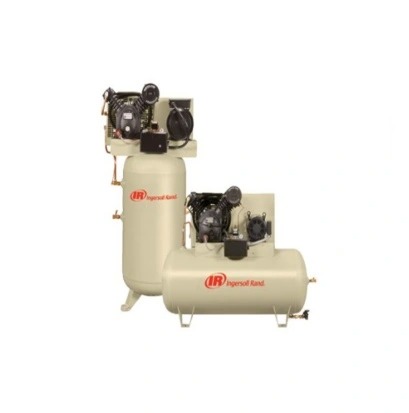
A comprehensive guide to understanding the mechanics, applications, and professional advantages of using a reciprocating air compressor in modern industry.
The Foundations of Reciprocating Technology
In the diverse world of industrial machinery, the reciprocating air compressor remains a cornerstone of pneumatic power. Often referred to as a piston compressor, this technology relies on the positive displacement principle to decrease the volume of air, thereby increasing its pressure. At Biaofang, we have observed that despite the rise of rotary technologies, the reciprocating model remains indispensable for high-pressure requirements and intermittent duty cycles. This article provides a deep dive into why this specific type of machinery has survived for decades and continues to evolve with modern engineering standards.
Understanding a reciprocating air compressor starts with recognizing its fundamental components: the cylinder, piston, crankshaft, and connecting rod. These parts work in a synchronized rhythm to harness atmospheric air and transform it into a potent energy source. For businesses looking for durability and cost-effectiveness, especially in smaller workshops or heavy-duty specialized plants, the "reciprocating" action offers a level of mechanical simplicity and repairability that is hard to match. As we explore the inner workings, you will see how these machines serve as the backbone for various tools and industrial processes.
Detailed Mechanics: How a Reciprocating Air Compressor Works
The operational cycle of a reciprocating air compressor is elegantly straightforward yet requires precise engineering. It begins with the "Intake Stroke." As the piston moves downward within the cylinder, it creates a partial vacuum. This pressure differential forces the intake valve to open, allowing atmospheric air to rush into the cylinder. This is the first critical phase where air filtration is vital to ensure no contaminants enter the chamber, a process where Biaofang’s high-quality components excel in protecting the internal integrity of the machine.
Following the intake is the "Compression Stroke." As the crankshaft continues its rotation, driven by an electric motor or internal combustion engine, the piston is pushed back upward. This movement compresses the trapped air into a much smaller volume. Because the intake valve is a one-way mechanism, it slams shut, and once the air reaches a specific pressure, the discharge valve opens. The high-pressure air is then moved into a storage tank or directly into the distribution system. This repetitive back-and-forth movement is what defines the "reciprocating" nature of the device.
Distinguishing Between Single-Stage and Two-Stage Models
When selecting a reciprocating air compressor, one must choose between single-stage and two-stage designs. In a single-stage unit, the air is compressed to its final pressure in a single stroke of the piston. These are generally used for pressures between 70 and 100 PSI. They are common in residential projects and small automotive shops. However, for industrial-grade applications where higher pressure and better efficiency are required, a two-stage compressor is the professional standard.
A two-stage reciprocating air compressor compresses the air twice. After the first compression in a larger cylinder, the air travels through an intercooler—a series of finned tubes—to dissipate heat. Cooling the air makes it denser and easier to compress further. The air then enters a second, smaller cylinder where it is compressed to pressures typically exceeding 175 PSI. This two-step process reduces the heat of compression, which significantly extends the life of the valves and rings, while providing a much higher power output for demanding industrial tools.
Industrial Applications and Strategic Utility
The versatility of the reciprocating air compressor allows it to dominate sectors ranging from oil and gas to food processing. Because these units can handle high-pressure demands intermittently, they are the preferred choice for applications such as starting large diesel engines, operating high-pressure blow molding machines, and powering pneumatic actuators in remote locations. At Biaofang, we often recommend these systems for facilities where air demand fluctuates throughout the day, as they are more energy-efficient in "start-stop" scenarios than rotary screw compressors.
Furthermore, the reciprocating air compressor is highly valued in the pharmaceutical and chemical industries where specialized oil-free variants are used. In these environments, even a microscopic amount of oil contamination can lead to catastrophic product failure. The robust design of reciprocating pistons allows for the use of PTFE rings and specialized seals that operate without traditional lubricants in the compression chamber. This adaptability ensures that no matter how stringent the air quality standards are, a well-configured reciprocating system can meet the challenge.
Maintenance Protocols for Longevity
To ensure your reciprocating air compressor operates at peak performance for years, a strict maintenance schedule is non-negotiable. The primary focus should always be on lubrication and filtration. Because the piston rings are in constant contact with the cylinder walls, using high-quality lubricants prevents friction-related heat buildup. Regularly checking the oil level and performing oil changes after every few hundred hours of operation will prevent premature wear of the crankshaft and connecting rods.
Additionally, valve maintenance is crucial. Carbon buildup on the intake and discharge valves can lead to air leaks, significantly reducing the volumetric efficiency of the reciprocating air compressor. Monitoring the temperature and noise levels during operation can provide early warnings of valve fatigue. Biaofang provides a comprehensive range of genuine parts and kits designed to make these maintenance tasks seamless, ensuring that your equipment remains a reliable asset rather than a liability.
Biaofang: Your Trusted Partner in Compressed Air
As a professional leader in the industry, Biaofang has established a reputation for excellence by providing high-performance equipment and genuine parts. We specialize in distributing world-class solutions, including the Ingersoll Rand T30 reciprocating air compressor, a model known globally for its rugged reliability and efficiency. Our expertise ensures that you receive more than just a machine; you receive a system optimized for your specific operational needs.
Whether you are looking for a reciprocating air compressor for a new facility or require specific maintenance components like the piston ring set or connecting rods, Biaofang offers an extensive inventory. Our team of specialists is dedicated to maximizing your uptime and reducing operating costs through superior engineering and genuine OEM parts.
Frequently Asked Questions
Q1: What are the main benefits of using a reciprocating air compressor?
The primary benefits include high-pressure capability, low initial cost, and ease of maintenance. They are particularly efficient for intermittent use, allowing the machine to rest and cool between cycles, which saves energy compared to machines that run continuously.
Q2: How often should I service my reciprocating air compressor?
Standard service intervals usually suggest checking the oil daily and performing a full oil change every 500 to 1,000 hours of operation. Air filters should be cleaned or replaced monthly, depending on the dust levels in your environment.
Q3: Can a reciprocating air compressor be used for continuous operation?
While they are designed for heavy work, they generally require a duty cycle (often 60/40 or 70/30) to prevent overheating. For 100% continuous demand, a rotary screw compressor might be more suitable, but for high-pressure tasks, the reciprocating model is king.
Q4: Is an oil-free reciprocating air compressor better?
It depends on your application. Oil-free models are essential for industries like medicine or electronics where air purity is critical. However, oil-lubricated models usually have a longer lifespan and are more suitable for general industrial tool usage.
Q5: Why is my reciprocating air compressor vibrating excessively?
Excessive vibration is often caused by loose mounting bolts, worn out vibration pads, or an imbalanced crankshaft. Immediate inspection is necessary to prevent structural damage to the piping and internal components.
Optimize Your Compressed Air System Today
Selecting the right reciprocating air compressor is the first step toward industrial efficiency. With Biaofang’s expert guidance and high-quality parts, you can ensure your operation stays powered and productive.
Contact Our Specialists