

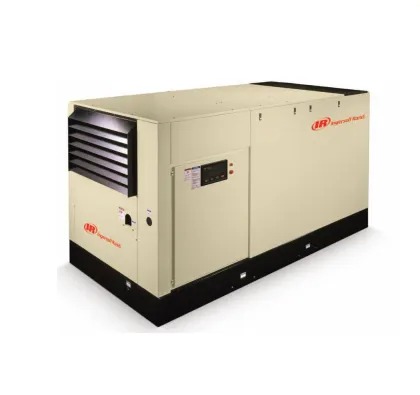
In the modern industrial landscape, energy consumption represents one of the largest operational costs for manufacturing facilities. At the heart of these facilities are oil-flooded screw air compressors, which provide the essential pneumatic power required for everything from automated assembly lines to heavy-duty tooling. However, many companies struggle with escalating energy bills and declining performance due to inefficient system management. Improving the efficiency of these machines is not just about saving money; it is about extending the lifespan of the equipment, ensuring a stable air supply, and reducing the environmental footprint of the enterprise.
The efficiency of oil-flooded screw air compressors depends on a holistic approach that combines advanced technology with rigorous maintenance protocols. By understanding how these systems operate and where the primary energy losses occur, plant managers can implement strategic changes that yield significant returns on investment. This guide explores the most effective methods to optimize your compressed air system, focusing on technical precision and practical application.
Understanding the Mechanics of Oil-Flooded Screw Air Compressors
To improve efficiency, one must first master the fundamental mechanics of the equipment. In oil-flooded screw air compressors, oil serves three vital functions: lubrication, sealing, and cooling. Unlike oil-free variants, these machines inject a specific volume of lubricant into the compression chamber. This oil creates a thin film between the intermeshing rotors, providing a near-perfect seal that prevents air from leaking back to the intake side. This internal sealing is a primary reason why oil-flooded designs are inherently more efficient at higher pressures compared to other technologies.
Furthermore, the oil absorbs the heat generated during the compression process. Without this thermal management, the air temperature would rise to levels that could damage the internal components of the air end. By controlling the temperature through oil injection, the compressor can maintain an almost isothermal compression cycle, which is theoretically the most energy-efficient way to compress gas. Understanding this relationship between thermal control and mechanical sealing is the first step toward optimization. When the oil quality or volume is compromised, the seal degrades, and temperatures spike, leading to a massive drop in overall efficiency.
The Critical Role of Proper Lubrication and Cooling
The lifeblood of oil-flooded screw air compressors is the lubricant itself. Using low-quality or incompatible oil can lead to varnish buildup on the rotors and inside the heat exchangers. This varnish acts as an insulator, preventing the oil from effectively carrying away heat. When the operating temperature increases, the air becomes less dense, requiring more energy to compress it to the desired pressure. High-performance lubricants, such as those provided by Biaofang, are engineered to resist oxidation and maintain stable viscosity even under extreme industrial conditions.
Beyond the oil itself, the cooling system must be kept in peak condition. For air-cooled units, this means ensuring that the coolers are free from dust and debris. For water-cooled systems, it involves managing the water quality to prevent scaling. If the cooling system is inefficient, the compressor will run hotter, the lubricant will break down faster, and the energy required per cubic foot of air will rise. Monitoring the discharge temperature is a simple yet effective way to gauge the health of your cooling circuit. A sudden rise in temperature is often the first indicator of a pending efficiency drop or mechanical failure.
Air System Leak Detection and Management
One of the most overlooked aspects of improving the efficiency of oil-flooded screw air compressors is the downstream piping system. It is estimated that in an average industrial plant, up to 30 percent of the generated compressed air is lost to leaks. These leaks force the compressor to cycle more frequently or run at higher speeds to maintain system pressure. This is wasted energy that never reaches the intended application.
Implementing a regular leak detection program using ultrasonic acoustic detectors is a high-ROI activity. These devices can identify the high-frequency hissing of leaks that are inaudible to the human ear in a noisy factory environment. Once identified, leaks at joints, valves, and hoses should be repaired immediately. Furthermore, reducing the system pressure can significantly lower the leak rate. For every 2 psi reduction in system pressure, the energy consumption of oil-flooded screw air compressors typically drops by 1 percent. By optimizing the demand side, you directly alleviate the load on the supply side, resulting in immediate energy savings.
Implementing Variable Speed Drive (VSD) Technology
Traditional fixed-speed compressors operate on a load/unload cycle. When air demand drops, the compressor continues to run but closes its intake valve (unloaded state). While unloaded, the machine still consumes roughly 25 to 35 percent of its full-load power without producing any useful air. For facilities with fluctuating air demands, this is incredibly inefficient. This is where Variable Speed Drive (VSD) technology becomes essential for oil-flooded screw air compressors.
VSD compressors use an inverter to adjust the motor speed to exactly match the air demand. If the demand is 50 percent of the capacity, the motor runs at 50 percent speed, and the power consumption drops proportionally. This eliminates the wasteful unloading period and maintains a much steadier system pressure. In many cases, upgrading to a VSD-enabled unit can reduce energy costs by up to 35 percent. Biaofang specializes in integrating these advanced controllers and drives to ensure that your system is always operating at the sweet spot of the efficiency curve, regardless of how your production volume changes throughout the day.
Regular Maintenance and Component Optimization
The efficiency of any machine is only as good as its most restricted component. In the context of compressed air, pressure drops across filters are a major source of energy loss. As air filters and oil separators become clogged with particulate matter, the compressor must work harder to push air through the system. For example, a clogged air filter can create a vacuum at the intake, forcing the compressor to use more energy to reach the target pressure.
Using genuine replacement parts is non-negotiable for maintaining the performance of oil-flooded screw air compressors. Low-quality aftermarket filters often have higher initial pressure drops and lower dirt-holding capacities. By strictly adhering to a maintenance schedule—replacing oil filters, air filters, and separators at the recommended intervals—you ensure that internal resistance is kept to a minimum. Additionally, checking the tension of drive belts or the alignment of direct-drive couplings prevents mechanical energy losses. A well-maintained compressor is a quiet, cool, and efficient compressor.
Heat Recovery Systems for Industrial Use
Did you know that approximately 90 percent of the electrical energy consumed by a compressor is converted into heat? In a standard setup, this heat is simply exhausted into the atmosphere. However, by installing a heat recovery system, this "waste" energy can be captured and used for other factory processes, such as heating water for boilers or providing space heating for the warehouse during winter months.
In oil-flooded screw air compressors, the heat is primarily concentrated in the oil circuit. By routing the hot oil through an additional heat exchanger before it goes to the main cooler, you can transfer that energy to a water circuit. This does not change the amount of energy used by the compressor, but it dramatically improves the total energy efficiency of the entire facility. This secondary use of energy can often pay for the recovery equipment in less than a year, turning a standard air compressor into a dual-purpose energy plant.
Why Choose Biaofang for Your Compressed Air Needs
Biaofang is a leading provider of high-quality industrial solutions, specializing in the distribution and service of premium compressed air systems. With over a decade of experience, we understand the intricacies of oil-flooded screw air compressors and the critical importance of efficiency. Our expertise extends across world-renowned brands, allowing us to provide our clients with the best machines and parts available in the market.
We offer a comprehensive range of products, including centrifugal air compressors and reciprocating compressors, ensuring that every industrial application has the right technology. Furthermore, Biaofang is a trusted source for Ingersoll Rand air compressor parts and GHH-Rand air ends, which are the benchmark for reliability in the industry. Whether you need a complete machine like the RS45-RS75 series or specialized lubricants like Ultra Coolant, Biaofang has the inventory and the technical knowledge to support your operations. Our goal is to ensure your facility achieves maximum uptime with the lowest possible energy expenditure.
Frequently Asked Questions
Q1: How often should I perform maintenance on oil-flooded screw air compressors?
A standard maintenance schedule typically involves checking oil levels and cleaning filters weekly, with major services every 2,000 to 4,000 hours of operation. However, the specific environment (dusty, hot, etc.) may require more frequent attention to maintain peak efficiency.
Q2: What is the benefit of using VSD on oil-flooded screw air compressors?
The primary benefit of a Variable Speed Drive is the elimination of wasted energy during unloaded periods. By matching the motor speed to the demand, VSD systems significantly reduce electricity costs and mechanical wear on the compressor components.
Q3: Why is lubricant quality so important for oil-flooded screw air compressors?
High-quality lubricant provides superior thermal management and sealing. In oil-flooded designs, the oil is part of the compression chamber, so its ability to prevent air bypass and resist varnish buildup is directly linked to the machine's energy efficiency.
Q4: Can I use heat recovery with any of my oil-flooded screw air compressors?
Yes, most modern screw compressors can be retrofitted with heat exchangers to capture waste thermal energy. This is especially effective in oil-flooded units because the oil carries a large percentage of the heat produced during compression.
Q5: How do I know if my oil-flooded screw air compressors are running inefficiently?
Common signs of inefficiency include high discharge temperatures, frequent cycling between load and unload states, a noticeable increase in energy bills, and a decrease in air delivery pressure despite consistent motor power usage.
Optimize Your Industrial Performance Today
Improving the efficiency of your compressed air system requires the right parts and the right partners. Whether you are looking for new equipment or genuine replacement parts, Biaofang is here to help.